


 admin
admin Navigating the Unraveling: Deep Reasons Why Individuals Choose to Leave Married Life
The decision to exit a marriage is rarely instantaneous or taken lightly. It represents the final chapter in a long narrative filled with compromises, hopes, and ultimately, disillusionment. Understanding the underlying causes requires looking beyond superficial arguments and examining the deep structural and emotional fissures that develop over time.
The Erosion of Emotional Intimacy
One of the most pervasive reasons for dissolving a marriage is the slow, agonizing erosion of emotional intimacy. When partners cease to be confidantes, friends, and safe harbors for one another, the marriage transforms into a mere cohabitation arrangement. This absence of deep connection leaves both individuals feeling profoundly lonely, even when sharing the same roof.
Emotional neglect often acts as a silent killer of marital bonds. When one partner consistently feels unheard, dismissed, or emotionally unsupported during times of stress or vulnerability, the foundation of trust and closeness begins to crumble.
Unresolved Conflict and Communication Breakdown
While all couples argue, chronic, unresolved conflict is toxic. If communication patterns devolve into criticism, contempt, defensiveness, or stonewalling—the infamous ‘Four Horsemen’ identified by relationship researchers—the environment becomes unsustainable. The inability to repair after conflict destroys the sense of safety within the relationship.
- Constant criticism replacing constructive feedback.
- Inability to apologize or take accountability.
- Conversations escalating quickly into arguments rather than solutions.
- Withdrawing entirely, leading to communication silences.
Divergent Life Paths and Personal Growth
Sometimes, people grow apart, not because of malice, but because their core values, aspirations, or desired lifestyles shift significantly over the years. What brought two people together in their twenties may not sustain them in their forties or fifties. Recognizing that one’s path forward necessitates a different partnership structure is a painful, yet honest, realization.
Self-actualization demands space. If the marriage actively stifles personal, professional, or creative development, staying can feel like self-betrayal. Leaving becomes an act of self-preservation rather than an act of rejection toward the spouse.
The Impact of Betrayal and Infidelity
While not the only reason, infidelity remains a powerful catalyst for divorce. Beyond the immediate pain of betrayal, infidelity shatters the fundamental agreement of exclusivity and trust upon which the marriage was built. Rebuilding trust after such a breach requires monumental effort, and often, the emotional damage proves irreparable.
Financial Disagreements and Power Imbalances
Money issues are frequently cited in divorce filings. These issues often mask deeper conflicts regarding power, values, and control. Discrepancies in spending habits, differing attitudes toward risk, or one partner hiding financial information can create intense resentment and insecurity.
Unmet Core Needs
Every individual enters a marriage with a set of core psychological needs: security, validation, affection, respect. When one partner consistently fails to meet these fundamental needs, the other partner experiences chronic dissatisfaction. Living in a state of unmet need is exhausting and leads to the conclusion that the current arrangement cannot fulfill their adult requirements.
The realization of incompatibility often surfaces when life stressors expose underlying character traits that were previously masked by the honeymoon phase. These deep-seated incompatibilities concerning parenting styles, lifestyle choices, or fundamental worldviews become insurmountable barriers.
Abuse and Safety Concerns
In situations involving physical, emotional, or psychological abuse, leaving is not just a choice for happiness, but a necessity for survival and safety. No marriage contract justifies enduring an environment where one feels constantly threatened or demeaned. Prioritizing personal well-being in these scenarios is paramount.
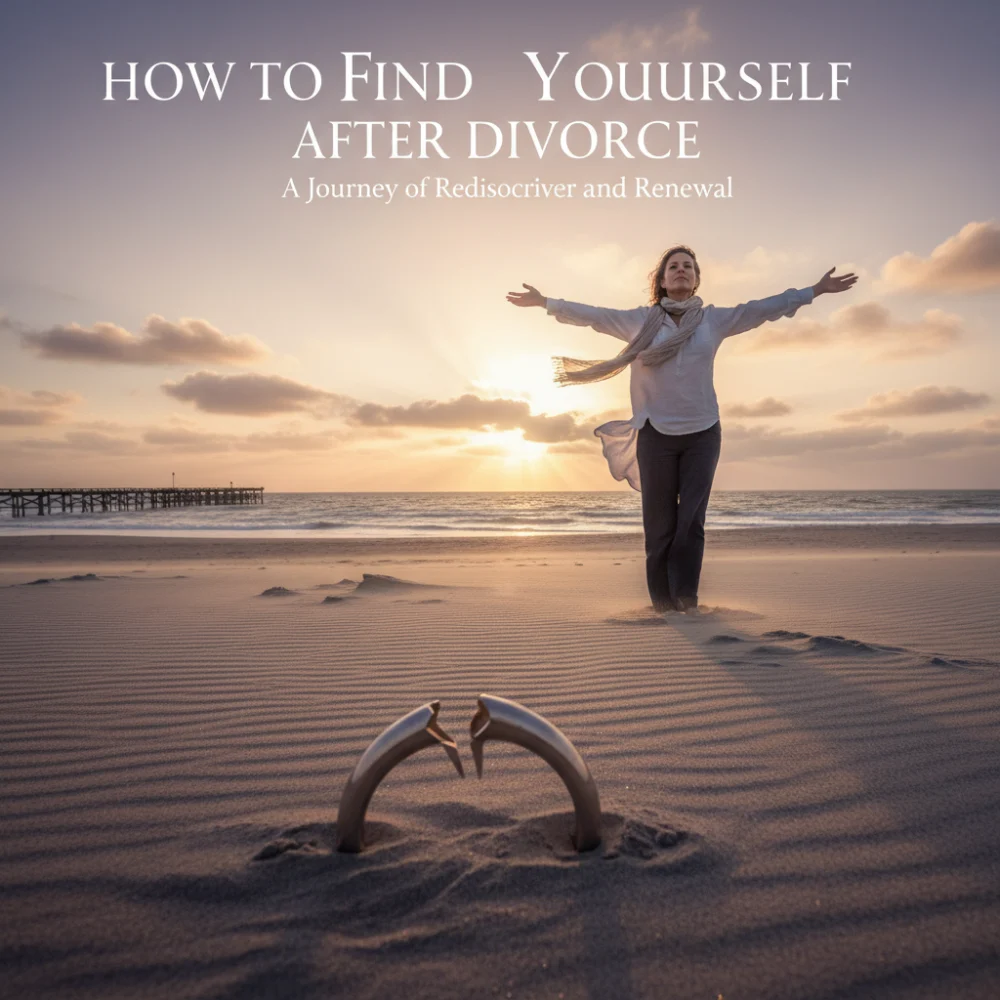
The journey away from a marriage is complex, involving legalities, emotional fallout, and restructuring an entire life. It signifies the end of one story, but often, it is the courageous beginning of a healthier, more authentic next chapter.






0 Comment